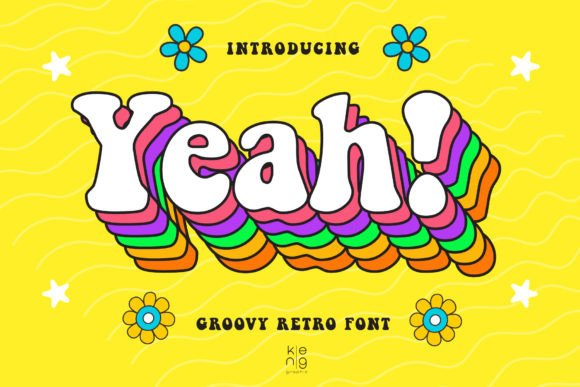
Yeah: The Comic-Style Font That Speaks Volumes
Yeah is more than just a font—it’s a visual language. With its bold, comic-style design and punchy character set, Yeah has become a go-to choice for designers looking to make an impact. Whether it's for a retro event poster, a movie title, or a social media post, the Yeah font brings a youthful energy that stands out in a crowded digital space.
The Unique Aesthetic of Yeah
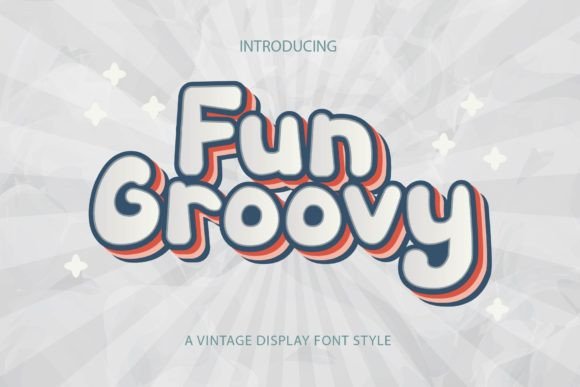
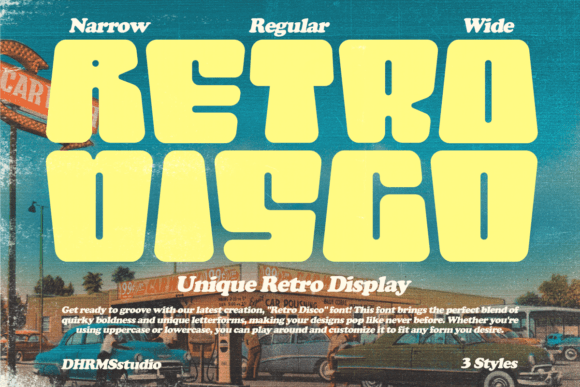
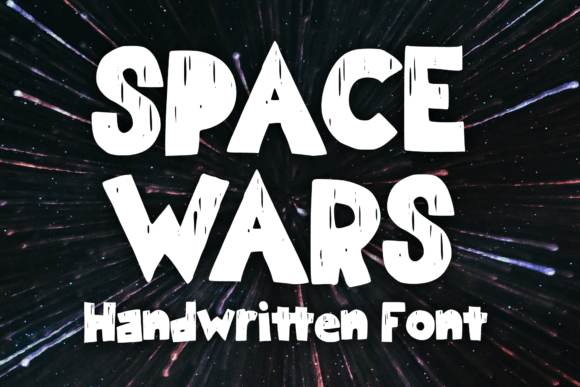
The Yeah font is characterized by its playful yet strong typography. It features exaggerated letterforms with sharp angles and a sense of motion that makes each character feel like it's about to leap off the page. This kind of design is particularly effective in comic books and online games, where visual storytelling is key.
One of the standout features of Yeah is its ability to convey emotion through typography. The font’s bold lines and dynamic curves can express excitement, defiance, or even humor, depending on how it's used. This versatility makes it suitable for a wide range of applications, from branding to editorial design.
Why Yeah Works So Well in Visual Media
In the world of visual media, first impressions matter. Yeah delivers that instant recognition because of its distinctive style. It's not just about looking good—it's about making an impression. The font's clean lines and high contrast ensure that it remains legible even at smaller sizes, which is crucial for digital content.
Another reason Yeah is so popular is its adaptability. It can be scaled up for large billboards or scaled down for mobile screens without losing its impact. This flexibility makes it a valuable asset for creators who need their designs to work across multiple platforms.
Use Cases for Yeah
- Comic Books: The Yeah font is a natural fit for comic-style books. Its energetic look matches the fast-paced nature of superhero stories and action-packed narratives.
- Online Games: Gamers often look for fonts that reflect the game’s theme. Yeah adds a fun and youthful vibe that appeals to younger audiences.
- Event Posters: For retro-themed events or music festivals, Yeah can help create a nostalgic yet modern aesthetic that draws attention.
- Social Media Posts: Platforms like Instagram and TikTok thrive on eye-catching visuals. Using Yeah in headlines or captions can help content stand out in users' feeds.
- Movies and TV Shows: Yeah can be used for title sequences or promotional materials, giving a bold and memorable visual identity to the project.
Practical Advantages of Using Yeah
While Yeah may seem like a simple font, it offers several practical advantages that make it a smart choice for designers. First, it's highly readable, which is essential for any design that needs to communicate quickly and effectively. Second, it's versatile enough to work with both digital and print media, ensuring consistency across different formats.
Additionally, Yeah is easy to integrate into design software like Adobe Illustrator, Photoshop, and Canva. This accessibility means that even beginners can experiment with the font without needing advanced technical skills. The font also supports multiple languages, making it a great option for international projects.
Considerations When Using Yeah
Despite its many benefits, there are some considerations to keep in mind when using Yeah. One of the main things to watch out for is readability. While the font is generally legible, it can sometimes appear too stylized for formal documents or professional reports. In such cases, it's best to use Yeah sparingly, perhaps as a headline rather than body text.
Another consideration is the font's compatibility with different platforms. While most modern operating systems support Yeah, there may be instances where the font doesn't render correctly on older devices or browsers. To avoid this, it's a good idea to provide a fallback font or embed the font directly into the design file.
Examples of Yeah in Action
Let’s take a look at some real-world examples of Yeah in use. One notable instance is in the design of retro gaming posters. These posters often feature bold, colorful typography to capture the essence of classic video games. Yeah fits perfectly into this context, adding a touch of nostalgia while still feeling fresh and modern.
Another example is in social media campaigns. Brands that target younger demographics often use Yeah to create a more engaging and relatable visual identity. Whether it's a meme, a hashtag, or a branded message, the font helps convey the right tone and attitude.
For educational purposes, Yeah can be used to make learning materials more interactive. Teachers and educators can incorporate the font into lesson plans, quizzes, or presentations to grab students’ attention and make the content more memorable.
Trends and Future of Yeah
As design trends continue to evolve, the popularity of fonts like Yeah is likely to grow. With the increasing demand for bold and expressive typography in digital spaces, Yeah is well-positioned to remain a favorite among designers and creators.
Looking ahead, we can expect to see more integration of Yeah in emerging technologies such as augmented reality (AR) and virtual reality (VR). These immersive experiences require strong visual elements to engage users, and Yeah could play a key role in shaping the future of digital design.
Moreover, as more people embrace retro aesthetics and vintage-inspired design, Yeah will continue to be a go-to choice for those seeking a nostalgic yet contemporary look. Its ability to blend past and present makes it a timeless addition to any designer’s toolkit.