Retro Tag Graffiti
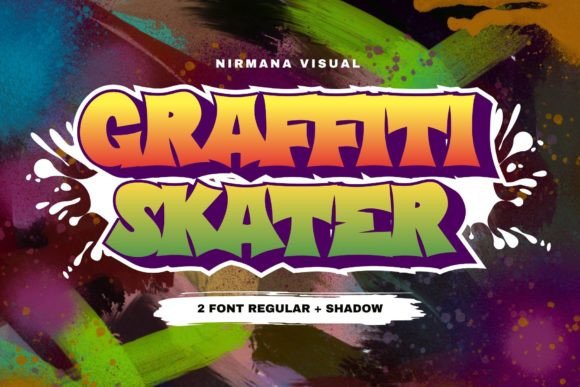
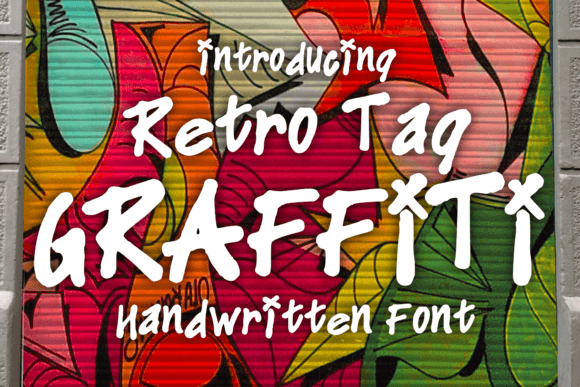
Retro Tag Graffiti is more than just a font—it’s a visual language that bridges the gap between street art and modern design. This tag-style display font brings a distinct, edgy aesthetic to any project, making it a go-to choice for designers looking to add character and nostalgia to their work.
The Aesthetic of Retro Tag Graffiti
At its core, Retro Tag Graffiti is inspired by the raw energy and simplicity of graffiti tags from the 80s and 90s. It captures the essence of that era with its bold outlines, minimalistic shapes, and dynamic letterforms. The font is designed to be instantly recognizable, even at small sizes, which makes it incredibly versatile for a variety of applications.
What sets Retro Tag Graffiti apart is its ability to convey attitude and authenticity. Whether you're designing a logo or a poster, this font adds an unmistakable sense of rebellion and creativity. Its retro feel is perfect for projects that aim to evoke a sense of nostalgia or urban culture.
Where to Use Retro Tag Graffiti
Retro Tag Graffiti isn't limited to any single industry or medium. Its adaptability makes it ideal for a wide range of creative projects:
- T-shirt designs: Add a touch of street style to your apparel with this font. It works well on both vintage and modern tees, especially when paired with contrasting colors.
- Skateboard logos: Skate culture thrives on individuality, and Retro Tag Graffiti perfectly complements the rebellious spirit of skateboards and their associated brands.
- Magazine covers: Use it to create eye-catching headlines that stand out in a sea of digital content. Its strong visual presence ensures it commands attention.
- Book covers: For fiction or graphic novels, Retro Tag Graffiti can help set the tone and mood of the story, especially in genres like punk, cyberpunk, or crime.
- Stickers and posters: This font is a favorite among artists and designers who create stickers, posters, and other promotional materials. Its high contrast and legibility make it suitable for both small and large formats.
- Web design: Incorporating Retro Tag Graffiti into website headers or call-to-action buttons can give your site a unique personality and help differentiate it from competitors.
Its versatility means that no matter what your creative project is, there's a way to incorporate Retro Tag Graffiti without compromising readability or visual impact.
Why Designers Choose Retro Tag Graffiti
Designers often choose Retro Tag Graffiti because it offers a balance between style and functionality. It’s not just about looks—it’s also about how well it performs in different contexts. Here are some key reasons why this font is so popular:
- High contrast and legibility: Even at smaller sizes, the font remains clear and easy to read, which is essential for branding and marketing materials.
- Strong visual identity: The unique shapes and bold lines of Retro Tag Graffiti help create a memorable brand image that stands out in the market.
- Cultural relevance: By tapping into the legacy of graffiti culture, this font connects with audiences who value authenticity and artistic expression.
- Adaptable to multiple platforms: Whether it's print or digital, Retro Tag Graffiti maintains its integrity and appeal across different mediums.
- Timeless appeal: While rooted in the past, the font has a modern twist that makes it relevant today, ensuring long-term usability.
These qualities make Retro Tag Graffiti a powerful tool for designers who want to create something that feels both fresh and familiar.
Practical Benefits of Using Retro Tag Graffiti
When you use Retro Tag Graffiti, you're not just adding a font—you're enhancing the overall message and feel of your design. Here are some practical benefits to consider:
Enhanced Branding: Retro Tag Graffiti can help reinforce a brand's identity, especially for businesses that cater to younger, trend-conscious audiences. It communicates a sense of youth, energy, and nonconformity that resonates with the right demographic.
Increased Visual Impact: In a world where attention spans are short, having a visually striking font like Retro Tag Graffiti can make all the difference. It helps your design cut through the noise and grab the viewer's eye quickly.
Cost-Effective: Since Retro Tag Graffiti is typically available as a downloadable font, it's an affordable option for designers and small businesses looking to elevate their visuals without breaking the bank.
Easy to Customize: Most versions of Retro Tag Graffiti allow for customization, such as changing the color, size, and spacing. This flexibility means you can tailor the font to fit your specific needs and design goals.
Supports Multiple Languages: While primarily designed for English text, many versions of Retro Tag Graffiti support additional languages, making it a great choice for international projects.
Considerations When Using Retro Tag Graffiti
While Retro Tag Graffiti is a fantastic choice for many design projects, there are a few things to keep in mind before using it:
Readability in Context: Although the font is highly legible, it's important to test how it looks in different environments. For example, using it on a dark background may reduce visibility, so always consider contrast and placement.
Font Licensing: Make sure you're using a legally licensed version of the font. Some fonts are free for personal use but require purchase for commercial projects. Always check the licensing terms to avoid any legal issues.
Compatibility: Ensure that the font works well with the software and platforms you're using. Some fonts may not render correctly in certain applications or browsers, so it's best to test them thoroughly before finalizing your design.
Consistency: To maintain a cohesive look, use Retro Tag Graffiti consistently across all elements of your design. Mixing it with other fonts can dilute its impact and confuse the viewer.
Real-World Applications of Retro Tag Graffiti
Retro Tag Graffiti has found its way into numerous real-world applications, proving its value beyond just aesthetics. Here are a few examples:
Music Bands: Many independent music bands use Retro Tag Graffiti in their album covers, merchandise, and social media profiles. It helps them connect with fans who appreciate the DIY and underground vibe.
Fashion Brands: Fashion labels that focus on streetwear and urban styles often incorporate Retro Tag Graffiti into their branding. It adds a layer of authenticity and cultural relevance to their products.
Art Exhibitions: Artists and galleries sometimes use this font in exhibition signage and promotional materials to create a nostalgic and immersive experience for visitors.
Event Graphics: Whether it's a music festival or a pop-up shop, Retro Tag Graffiti can help create a strong visual identity that aligns with the event's theme and audience.
Online Communities: Online forums, fan sites, and social media groups often use Retro Tag Graffiti in their headers or banners to reflect the community's values and interests.
Final Thoughts on Retro Tag Graffiti
Retro Tag Graffiti is more than a font—it's a statement. Its unique blend of nostalgia, energy, and style makes it a valuable asset for designers across various industries. Whether you're creating a t-shirt design, a magazine cover, or a web banner, this font can elevate your work and help you stand out in a crowded market.
By understanding its strengths, limitations, and potential uses, you can harness the power of Retro Tag Graffiti to create designs that resonate with your audience and reflect your creative vision. With the right approach, this font can become an essential part of your design toolkit, helping you deliver projects that are both stylish and effective.