Fenoon: A Modern Twist on Ancient Arabic Script
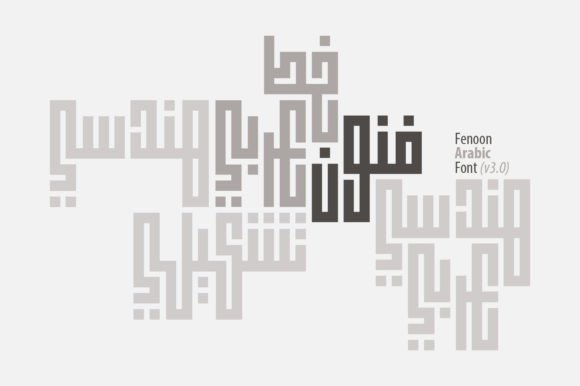
When it comes to typography, especially in the Arabic script, the choice of font can significantly influence the visual impact and overall message of a design. Fenoon, an Arabic display font, stands out as a unique blend of tradition and modernity. Inspired by the ancient Square Kufic script, Fenoon is not just a font—it's a statement. It bridges the gap between historical aesthetics and contemporary design needs, making it a versatile tool for designers across various industries.
The Roots of Fenoon
Fenoon draws its inspiration from the Square Kufic script, one of the earliest forms of Arabic calligraphy. This script, characterized by its angular and geometric shapes, was widely used in Islamic art and architecture during the early centuries of Islam. While Square Kufic is often associated with religious texts and monumental inscriptions, its rigid structure has made it less common in everyday design use.
Fenoon reimagines this ancient style, adapting it into a more readable and stylized format. The result is a font that retains the boldness and elegance of Square Kufic while offering improved legibility for modern audiences. This balance between historical authenticity and practical usability makes Fenoon a compelling choice for designers looking to infuse their work with cultural depth without sacrificing clarity.
Design Applications for Fenoon
Fenoon is particularly well-suited for projects that require visual impact and a strong typographic presence. Its distinctive form makes it ideal for use in branding, packaging, event signage, and digital media. Here are some key areas where Fenoon excels:
- Visual identities: Brands aiming to convey strength, heritage, or artistic flair can benefit from using Fenoon in logos, letterheads, and promotional materials.
- Art events: Whether it's a gallery exhibition or a cultural festival, Fenoon adds a sense of grandeur and timelessness to event graphics and invitations.
- Product packaging: The font’s striking appearance can elevate the perceived value of products, especially in luxury or artisanal markets.
- Contemporary projects: From website headers to social media content, Fenoon offers a fresh yet traditional look that resonates with modern audiences.
One of the most appealing aspects of Fenoon is its adaptability. While it may not be suitable for long-form text due to its decorative nature, it shines in short, impactful phrases. For example, using Fenoon in headlines or taglines can immediately draw attention and create a memorable impression.
Why Designers Choose Fenoon
Designers often consider several factors when selecting a font, including readability, aesthetics, and versatility. Fenoon addresses these concerns effectively:
Readability: Despite its ornate appearance, Fenoon maintains a high level of legibility. The consistent stroke width and clear spacing ensure that even at smaller sizes, the text remains easy to read. This makes it a practical option for both print and digital applications.
Aesthetics: The font’s design is both elegant and bold, offering a strong visual identity that can enhance the overall design aesthetic. Its unique character shapes provide a level of sophistication that is rarely found in standard Arabic fonts.
Versatility: Whether used in a minimalist design or paired with more intricate elements, Fenoon complements a wide range of styles. Its ability to integrate seamlessly with other design components makes it a flexible choice for various creative projects.
Cultural resonance: For designers working on projects with cultural or historical significance, Fenoon serves as a powerful symbol of heritage. It allows for the inclusion of traditional elements without compromising on modern design principles.
Practical Considerations
While Fenoon offers numerous benefits, there are a few considerations to keep in mind before incorporating it into your design workflow:
Use in context: As mentioned earlier, Fenoon is best suited for short texts. Using it for large blocks of text can lead to reduced readability and may not be appropriate for all design contexts.
Font pairing: To maintain visual harmony, it’s important to pair Fenoon with complementary fonts. For instance, using a sans-serif or serif font for body text can help balance the boldness of Fenoon and improve overall readability.
Technical compatibility: Ensure that the font supports the necessary character sets and is compatible with the platforms you plan to use it on. This includes checking for proper rendering in different browsers and operating systems.
License considerations: Always verify the licensing terms for any font you use. Some fonts may have restrictions on commercial use or require attribution, so it’s essential to understand the rules before implementing them in your projects.
Real-World Examples
To better understand how Fenoon can be applied in practice, let’s explore a few real-world scenarios:
Branding: A boutique hotel in Dubai might use Fenoon in its logo and signage to reflect a blend of traditional and contemporary influences. The font’s strong visual presence helps reinforce the brand’s identity and appeals to both local and international customers.
Event design: At a cultural festival in Cairo, organizers could use Fenoon for banners, posters, and digital displays. The font’s historical inspiration aligns with the event’s theme, creating a cohesive and immersive experience for attendees.
Product packaging: A luxury perfume brand might incorporate Fenoon into its packaging to emphasize craftsmanship and heritage. The font’s elegance enhances the product’s perceived value and distinguishes it from competitors.
Digital media: A fashion blog or lifestyle website could use Fenoon in headlines and social media posts to add a touch of sophistication. Its visual appeal ensures that content stands out and captures the audience’s attention.
Conclusion
Fenoon is more than just a font—it’s a bridge between past and present, tradition and innovation. Its unique design, rooted in ancient Square Kufic script, offers a fresh perspective on Arabic typography that is both visually striking and functionally effective. Whether used in branding, event design, packaging, or digital media, Fenoon provides a powerful tool for designers seeking to make an impact with their work.