Exploring the Artistry of Dahlia: A Handcrafted Floral Font for Creative Expression
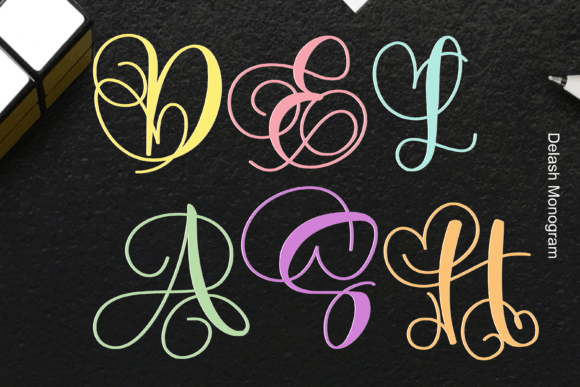
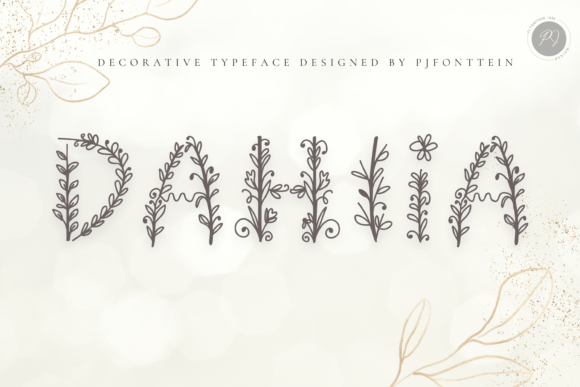
Dahlia is more than just a font—it's an artistic expression that brings a touch of elegance and natural beauty to digital design. As a handcrafted floral font, Dahlia stands out in a world where typography often leans heavily on standard, mass-produced designs. Each letter in this font is meticulously crafted with unique floral patterns, making it not only visually appealing but also deeply personal and distinctive.
The Unique Craftsmanship Behind Dahlia
What sets Dahlia apart from other fonts is its handcrafted nature. Every letter is designed as a separate floral piece, ensuring that no two letters share the same pattern. This level of detail and individuality makes Dahlia a standout choice for designers looking to add a unique visual element to their work.
Each letter in Dahlia is created with care, using traditional techniques that emphasize texture, color, and form. The result is a font that feels alive, almost like a garden of flowers growing across the page. This attention to detail is what makes Dahlia so versatile and adaptable to different design contexts.
Why Choose a Handcrafted Font Like Dahlia?
In an era dominated by digital efficiency and automation, the human touch remains irreplaceable. Fonts like Dahlia offer a sense of authenticity and artistry that cannot be replicated through algorithmic design. They bring a level of character and personality to any project, whether it's a logo, website, or invitation.
Handcrafted fonts like Dahlia are particularly well-suited for creative industries such as graphic design, branding, and event planning. Their unique aesthetic can help a brand stand out in a crowded market, making them ideal for businesses that value originality and craftsmanship.
Applications of Dahlia in Design
Dahlia’s versatility makes it suitable for a wide range of applications. From logos and branding materials to websites and business cards, this font adds a touch of sophistication and elegance to any design.
- Logos: Dahlia is perfect for creating logos that reflect a brand's commitment to quality and creativity. Its floral patterns can symbolize growth, beauty, and uniqueness.
- Branding: Whether used for packaging, social media graphics, or promotional materials, Dahlia can help reinforce a brand's identity and values.
- Websites: Incorporating Dahlia into a website design can elevate the user experience by adding a visual element that feels both modern and timeless.
- Business Cards: A handcrafted font like Dahlia can make a business card more memorable and professional, helping to leave a lasting impression.
- Invites: For weddings, events, or special occasions, Dahlia can transform simple invitations into elegant works of art.
Each application of Dahlia benefits from its unique floral design, which adds depth and visual interest without overwhelming the content. The font's adaptability allows it to fit seamlessly into various design styles, from minimalist to ornate.
Advantages of Using a Handcrafted Font
One of the key advantages of using a handcrafted font like Dahlia is its ability to convey emotion and personality. Unlike generic fonts, which often feel sterile or impersonal, handcrafted fonts like Dahlia carry a sense of warmth and individuality.
Additionally, handcrafted fonts can enhance the perceived value of a product or service. When a brand uses a font that reflects its commitment to quality and artistry, it can create a stronger emotional connection with its audience. This is particularly important in industries such as fashion, lifestyle, and luxury goods.
Another benefit of using a handcrafted font is its ability to differentiate a brand from competitors. In a market saturated with similar-looking fonts, having a unique typographic identity can help a brand stand out and be more memorable.
Considerations When Using Dahlia
While Dahlia offers many advantages, there are also some considerations to keep in mind when using it in your design projects. One of the most important factors is readability. Although the floral patterns add visual appeal, they can sometimes affect legibility, especially at smaller sizes.
To ensure optimal readability, it's recommended to use Dahlia in larger text formats such as headlines, titles, and labels. It may not be the best choice for body text or long-form content, where clarity and consistency are paramount.
Another consideration is the compatibility of Dahlia with different platforms and devices. While most modern browsers and design software support handcrafted fonts, there may be instances where the font does not render correctly, particularly on older systems or mobile devices.
Finally, it's important to consider the licensing and usage rights associated with Dahlia. Depending on the source and provider, there may be restrictions on how the font can be used, including commercial versus personal use. Always review the terms of use before incorporating Dahlia into any project.
Real-World Examples of Dahlia in Action
Dahlia has been successfully used in a variety of real-world scenarios, demonstrating its practicality and effectiveness. One notable example is its use in wedding invitations, where the floral patterns add a romantic and elegant touch to the design.
Another example is its application in branding for boutique businesses and artisanal products. By using Dahlia in their logos and marketing materials, these businesses can communicate their commitment to quality and craftsmanship.
In the realm of digital design, Dahlia has been incorporated into website headers and social media graphics, helping to create a cohesive and visually striking brand identity. These examples highlight the font's adaptability and its ability to enhance the overall design experience.
The Future of Handcrafted Fonts
As the design industry continues to evolve, there is a growing appreciation for handcrafted elements that add a human touch to digital creations. Fonts like Dahlia represent a shift towards more personalized and meaningful design choices.
This trend is particularly evident in the rise of independent designers and small businesses that prioritize authenticity and originality. By using handcrafted fonts, these creators can establish a distinct visual identity that resonates with their target audience.
Looking ahead, the demand for unique and customizable fonts is expected to increase. As consumers become more discerning in their design choices, the importance of typography that reflects individuality and creativity will continue to grow.
In conclusion, Dahlia is more than just a font—it's a testament to the power of craftsmanship and creativity in the digital age. Its unique floral design, versatility, and artistic appeal make it a valuable tool for designers across various industries. Whether used for branding, invitations, or digital content, Dahlia offers a fresh and elegant approach to typography that is both functional and beautiful.